


The Difference between HSV 2 and HSV 2
# HSV-1 vs HSV-2: What’s the Difference?
Herpes simplex virus (HSV) is a common viral infection that can affect the mouth, lips, genitals, and surrounding skin. There are two main types of herpes simplex virus: HSV-1 (Herpes Simplex Virus Type

1) and HSV-2 (Herpes Simplex Virus Type 2).
Although HSV-1 is commonly associated with oral herpes and HSV-2 is commonly associated with genital herpes, the difference is not always that simple. Both HSV-1 and HSV-2 can cause infections in the mouth or genital area.
Understanding how these two types differ can help people recognize symptoms, understand how transmission occurs, and know when testing or medical advice may be appropriate.
## What Is HSV-1?
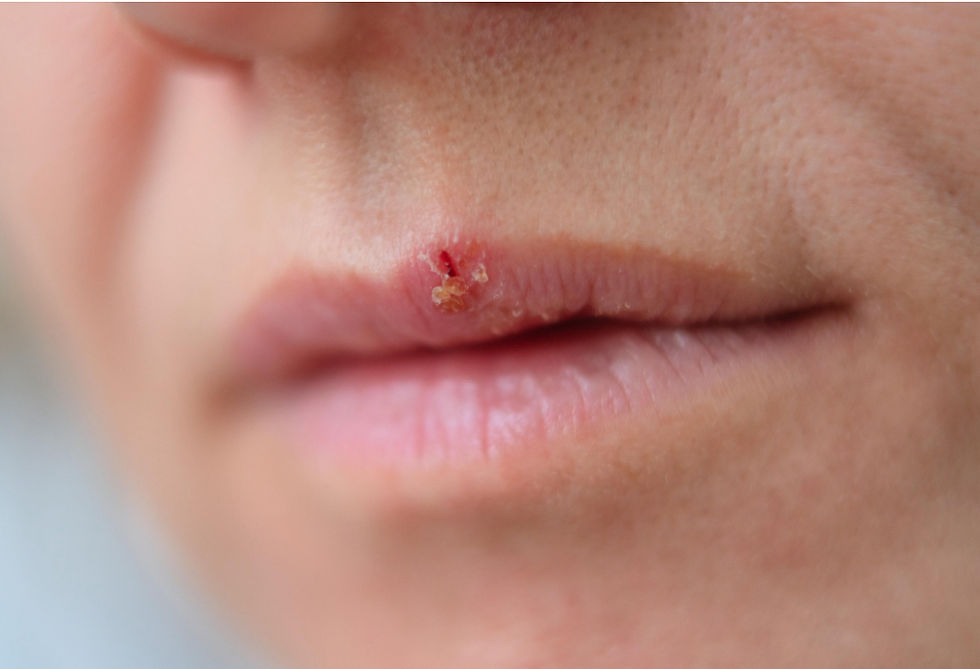
HSV-1 is commonly associated with oral herpes, which can cause cold sores or fever blisters around the lips and mouth.
HSV-1 is often transmitted through close personal contact, including kissing or contact with saliva and infected skin. Many people acquire HSV-1 during childhood or adulthood.
However, HSV-1 is not limited to the mouth. It can also cause genital herpes, particularly when the virus is transmitted to the genital area through oral-genital contact.
Some people with HSV-1 never develop noticeable symptoms. Others may experience small blisters or sores around the lips, mouth, or other affected areas.
## What Is HSV-2?
HSV-2 is most commonly associated with genital herpes. It is primarily transmitted through sexual or intimate skin-to-skin contact with an infected person.
Genital HSV-2 can cause blisters or painful sores around the genitals, anus, buttocks, or nearby areas. Some people may also experience itching, burning, or discomfort before sores appear.
Like HSV-1, HSV-2 can sometimes cause no noticeable symptoms. A person can therefore have the virus and transmit it without realizing they have an infection.
## Key Differences Between HSV-1 and HSV-2
### HSV-1
- Commonly causes oral herpes and cold sores.
- Can spread through kissing and close oral contact.
- Can also cause genital herpes.
- Genital HSV-1 tends to recur less frequently than genital HSV-2.
- Many infections cause few or no noticeable symptoms.
### HSV-2
- More commonly causes genital herpes.
- Primarily spreads through sexual or intimate skin-to-skin contact.
- Can cause recurring genital sores.
- Can sometimes infect the mouth, although oral HSV-2 is less common.
- Many people may have mild or unrecognized symptoms.
## Can HSV-1 Cause Genital Herpes?
Yes. HSV-1 can cause genital herpes.
For example, genital HSV-1 can occur when the virus is transmitted from the mouth to the genital area during oral-genital contact.
This is one reason why it is not accurate to assume that every case of genital herpes is caused by HSV-2.
## Can HSV-2 Cause Oral Herpes?
Yes, although oral HSV-2 is less common than genital HSV-2.
HSV-2 can infect the mouth following oral exposure to the virus. However, HSV-2 has a stronger association with genital infection.
## How Does Herpes Spread?
Herpes simplex viruses spread primarily through direct contact with infected skin, mucous membranes, or bodily fluids.
Transmission can occur even when there are no visible sores, because the virus can sometimes be present on the skin without obvious symptoms.
During an active outbreak, avoiding sexual or intimate contact with the affected area can reduce the risk of transmission.
Condoms and dental dams can also reduce the risk of spreading genital herpes, although they cannot provide complete protection because herpes can affect skin areas that are not covered.
## What Are the Symptoms of HSV?
Some people with HSV have no symptoms at all.
When symptoms occur, they may include:
- Small blisters or sores
- Pain, itching, or burning around the affected area
- Tingling before sores appear
- Painful urination when genital sores are present
- Flu-like symptoms during a first outbreak in some people
- Recurrent outbreaks in some individuals
Symptoms can vary significantly from person to person.
## How Is HSV Diagnosed?
A healthcare professional can assess suspected herpes infections and recommend appropriate testing.
When visible sores are present, a sample from a sore may be tested to determine whether HSV is present and, when possible, which type is involved.
Blood tests may also be used in certain situations, but they have limitations and should be interpreted by a healthcare professional.
If you have unexplained sores around your mouth or genitals, especially if they are painful or recurring, consider speaking with a healthcare professional.
## Is There a Cure for HSV?
Currently, there is no cure that removes HSV from the body. After infection, the virus remains in the body.
However, antiviral medicines can help manage herpes. They may shorten outbreaks, reduce symptoms, and, in some people with recurrent genital herpes, reduce the frequency of outbreaks. Certain antiviral treatments can also reduce the likelihood of transmitting genital herpes to a sexual partner when used as part of an appropriate treatment plan.
A healthcare professional can advise on the most suitable treatment.
## HSV-1 vs HSV-2: The Main Takeaway
The biggest difference is where each type is most commonly found:
HSV-1 → commonly associated with oral herpes, but can also cause genital herpes.
HSV-2 → more commonly associated with genital herpes, but can also infect the mouth.
Neither type should automatically be assumed based only on the location of symptoms. Testing and professional medical evaluation can help determine what is causing an infection.
If you think you may have herpes, avoid sexual contact with an affected area while seeking appropriate medical advice. Remember that having HSV is common, and people with herpes can discuss treatment, prevention, and sexual health with a qualified healthcare professional.
### Important Health Disclaimer
This information is provided for general educational purposes and is not a substitute for professional medical advice, diagnosis, or treatment. DR EDIALE HERBS does not recommend using herbal remedies as a replacement for medical evaluation or prescribed treatment for herpes. If you have symptoms, are concerned about possible exposure, are pregnant, or have a weakened immune system, speak with a qualified healthcare professional.


Comments